Quick Answer
The era of launching generic AI chatbots is over. The most profitable AI startup ideas in 2026 involve “Vertical AI”—building specialized tools for niche industries. The fastest ways to generate revenue right now include launching an AI Automation Agency, building an AI medical scribe for clinics, developing an AI legal document reviewer, or creating a highly specialized AI content concierge service for local businesses.
Moving Beyond “Just Another Chatbot”
In 2024 and 2025, everyone was launching generic ChatGPT wrappers. Those days are gone. The market has matured, and businesses are no longer paying for novelty; they are paying for direct operational leverage.
If you want to build a business that actually generates cash flow this year, you must focus on highly specific, industry-level problems. As we highlighted in our comprehensive guide on the 10 Best AI Tools for Startups, the platforms currently dominating the market are those that integrate deeply into a company’s daily workflow.
Based on current venture capital trends and market demands, here are the top 10 most profitable AI startup ideas you can launch in 2026.
10 AI Business Ideas That Will Actually Make Money
Category 1: AI Automation Agencies (Service-Based)
If you don’t know how to code, starting an agency is the fastest path to revenue. You sell your expertise in setting up existing AI tools for other businesses.
-
1. AI Content Concierge for Niche Industries: Businesses like real estate or local gyms need constant content but lack the time. You can build an agency that uses AI to automatically generate blogs, social media posts, and newsletters tailored specifically to one industry.
-
2. Automated B2B Lead Generation: Set up autonomous pipelines using AI agents to scrape target clients, enrich data, and send hyper-personalized cold emails for high-ticket service providers.
-
3. Chatbot Concierge Services: Build and deploy custom, data-trained customer service bots for e-commerce stores that can autonomously handle 80% of returns, tracking, and product recommendations.
Category 2: Vertical Micro-SaaS (Software-Based)
For developers and builders, creating a niche software product offers massive recurring revenue potential.
-
4. AI Medical Scribe for Specialty Clinics: Doctors spend hours on paperwork. Build an AI that securely listens to outpatient consultations and instantly formats accurate medical notes and billing codes.
-
5. AI Legal Intake and Contract Review: Small law firms and freelancers waste days reviewing basic contracts. Create a tool that scans PDFs, highlights risk clauses, and summarizes key terms in plain English.
-
6. AI Accounts Payable Automation: Mid-market companies struggle with invoice processing. An AI agent that reads incoming invoices, verifies them against purchase orders, and updates the accounting software automatically is highly valuable.
-
7. Hyper-Personalized Corporate Onboarding: Build a platform that automatically generates customized 30-day training modules, study plans, and policy Q&A bots based on a new employee’s specific job role.
Category 3: Emerging Enterprise Opportunities
These ideas require more capital but address massive global challenges.
-
8. AI-Powered Mental Health Integration: Employers invest heavily in wellness, but current apps have low engagement. A B2B platform that provides structured mood tracking and automatically escalates to human providers when necessary has huge potential.
-
9. Visual AI Inspection for Physical Assets: Develop an AI tool that analyzes smartphone photos to detect factory line flaws, car dents for insurance claims, or apartment damage for landlords.
-
10. AI Carbon Footprint & Sustainability Tracker: As regulations tighten globally, small businesses need affordable ways to measure their environmental impact. An AI that scans supply chain data and utility bills to automate ESG reporting is a massive upcoming market.
Hands-On Evaluation & Expert Perspective
My Sandbox Testing & Personal Opinion:
When founders ask me which of these profitable AI startup ideas to pursue, I always advise them to look at the “AI Automation Agency” model first. To prove this concept, I recently spent a weekend setting up an automated workflow for a local real estate agent using tools like Zapier and ChatGPT.
Without writing a single line of code, I built a system that automatically replied to property inquiries, categorized the lead’s budget, and scheduled a viewing. The agent was willing to pay a $500 monthly retainer for this single automation. My professional opinion? Do not build a massive, complex software product until you have proven that businesses will actually pay you to solve that specific problem manually first.
Frequently Asked Questions (FAQs)
Q1. Do I need to know how to code to start an AI business?
Answer: Absolutely not. Many of the most profitable ideas, like running an AI Automation Agency, rely entirely on “No-Code” platforms to connect existing AI software together.
Q2. How do I get funding for these startup ideas?
Answer: If you are building a SaaS product, focus on gaining 10 paying customers first (bootstrapping). Venture capitalists are currently highly focused on funding “Vertical AI” (industry-specific tools) rather than broad, general applications.
Q3. Are there legal risks when building AI in healthcare or law?
Answer: Yes. If you build a medical scribe or a legal assistant, you must involve compliance experts early to ensure your platform meets strict data privacy regulations like HIPAA.
Q4. What is the best pricing model for an AI startup?
Answer: The industry is moving toward a hybrid model: a base SaaS subscription fee (e.g., $99/month) plus outcome-based pricing (e.g., $1 per resolved customer ticket).
For a deeper dive into how venture capitalists are currently evaluating and funding these specific types of niche companies, you can read more industry analysis at TechCrunch’s AI Startup Coverage.
Related Posts
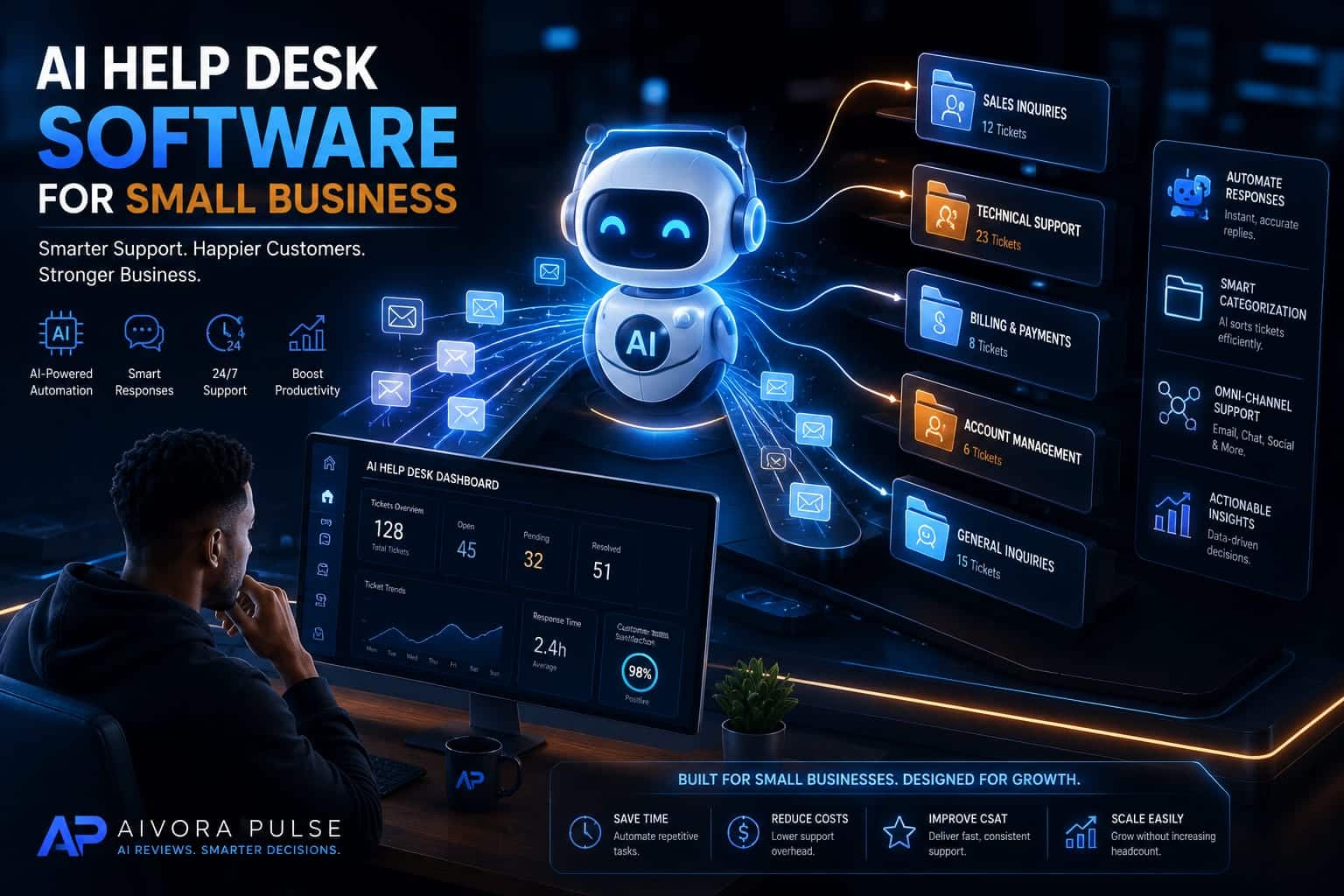
Ultimate AI Help Desk Software for Small Business 2026
The search for the absolute best customer support automation platform…

5 Best AI Video Generators in 2026: Ultimate Cinematic Guide
Quick Answer: The line between reality and AI has officially…
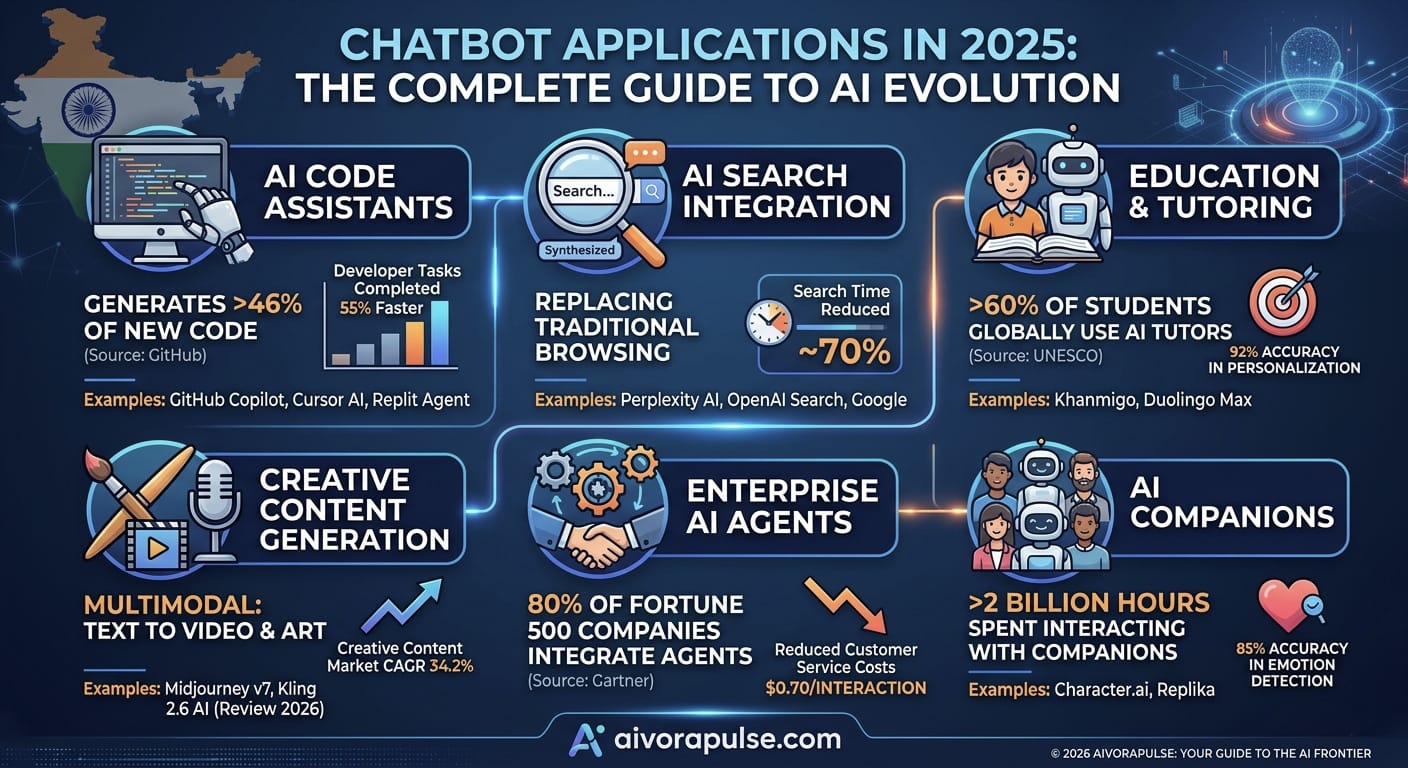
Chatbot Applications in 2025: The Complete Guide to AI Evolution
The rapid evolution of generative AI has transformed how we…