How Do You Select the Right Platform?
To effectively choose B2B AI software in 2026, enterprise leaders must evaluate four critical pillars: strict data compliance (zero-retention policies), seamless API integration with existing CRMs, autonomous agentic capabilities over basic prompting, and predictable Total Cost of Ownership (TCO). Do not procure software based solely on output quality; you must choose B2B AI software based on how securely and autonomously it integrates into your specific operational pipelines.
The software procurement landscape has fundamentally shifted. A few years ago, adding a new SaaS tool to your technology stack meant evaluating basic features, server uptime, and user seats. Today, procuring artificial intelligence involves injecting a “synthetic employee” directly into your most sensitive corporate workflows.
If you make the wrong vendor selection, you risk massive data leaks, regulatory fines, and operational bottlenecks. If you make the right selection, you achieve infinite scalability without inflating your payroll. In this comprehensive procurement masterclass, we will provide the exact technical framework required to evaluate and choose B2B AI software for your enterprise, ensuring maximum return on investment (ROI) and flawless security in 2026.
1. My Personal Perspective: The Reality of Tech Procurement
Managing digital publishing infrastructure, server configurations, and e-commerce supply operations forces you to look at software through a hyper-critical lens. When evaluating cloud hosting APIs or resolving intense SSL server errors, I cannot rely on tools that operate in isolated silos.
The biggest mistake founders make when they choose B2B AI software is falling for the “demo magic.” A platform might write a brilliant email during a sales pitch, but if it cannot natively connect to your GST billing system, read your historical server logs, or operate without a human constantly clicking “approve,” it is a liability, not an asset. True enterprise AI must remove administrative friction. It must run in the background, fully integrated into your existing tech stack, executing complex multi-step pipelines autonomously.
2. Pillar 1: Data Security, Privacy, and Compliance
The very first filter in your procurement process must be regulatory compliance. When you choose B2B AI software, you are often feeding it proprietary financial data, client emails, and backend code.
-
Zero-Data Retention Policies: You must demand a commercial agreement stating that your inputs will never be used to train the vendor’s public foundational models. If a vendor refuses to sign a Business Associate Agreement (BAA) or a zero-retention clause, disqualify them immediately.
-
Regulatory Alignment: If you operate in the financial or enterprise sector, your tools must align with global regulatory frameworks. As we detailed in our guide on MAS AIRG Third-Party AI Compliance, your organization is entirely accountable for the bias or failure of any external vendor AI you deploy.
-
Auditability: Standardize your vendor evaluations by cross-referencing their security claims against the official NIST AI Risk Management Framework, ensuring your chosen software allows for deep algorithmic auditing.
3. Pillar 2: Agentic Capabilities vs. Basic Prompts
In 2026, standard chatbots are obsolete. You must choose B2B AI software that supports autonomous task execution.
-
Multi-Step Execution: Does the software require a human to prompt it at every single step, or can you give it a high-level objective (e.g., “Analyze this week’s server logs and patch any identified vulnerabilities”) and let it execute the entire sequence?
-
Orchestration Compatibility: Ensure the software can function within larger multi-agent systems. We extensively covered how these tools must communicate with one another in our Autonomous Agentic Workflows B2B Guide. Your chosen software should act as a reliable “node” within these automated networks.
4. Pillar 3: Ecosystem Integration and API Access
A standalone AI tool is a bottleneck. To choose B2B AI software effectively, you must analyze its connective tissue.
-
Native CRM and CMS Integration: If you manage a WordPress architecture or an enterprise HubSpot CRM, the AI must integrate directly. It should pull lead data, draft responses, and update database fields without requiring your team to copy and paste text between browser tabs.
-
Robust API Endpoints: Look for extensive, well-documented APIs. Whether you are pinging indexing APIs to force rapid search engine crawling or connecting generative video tools for automated social publishing, robust API access dictates how far you can scale the software.
5. Pillar 4: Evaluating the Total Cost of Ownership (TCO)
Pricing in the AI sector is notoriously complex. When you choose B2B AI software, looking solely at the monthly subscription fee is a dangerous miscalculation.
-
Seat Licenses vs. Usage (Token) Pricing: Some tools charge $30 per employee per month, while others charge based on the computational “tokens” your company consumes. If you are running high-volume automated workflows, token-based API pricing is often significantly cheaper than buying individual seat licenses for your entire staff.
-
Model Tiering: Evaluate if the vendor locks their best reasoning models behind higher paywalls. For a deep dive into how different pricing tiers impact technical capabilities, refer to our comprehensive architectural breakdown in ChatGPT vs Claude B2B Enterprise.
-
Vendor Lock-In: To maintain flexibility, consult independent industry evaluations like the Gartner Magic Quadrant for Cloud AI to ensure the vendor has a sustainable long-term roadmap and won’t suddenly deprecate your critical APIs.
Conclusion
The mandate to choose B2B AI software accurately is the most critical operational decision an enterprise leader will make this decade. Stop purchasing software based on flashy generative demos. Audit your organization’s administrative bottlenecks, demand ironclad data privacy contracts, prioritize autonomous agentic features, and ensure flawless API integration. By applying this rigorous procurement framework, you transition your tech stack from a collection of disjointed digital assistants into a cohesive, highly secure autonomous workforce capable of scaling your enterprise indefinitely.
Frequently Asked Questions (FAQs)
Q1. Should we choose B2B AI software from startups or established mega-vendors? Answer: It depends entirely on your risk tolerance and operational needs. Mega-vendors (like Microsoft or Google) offer superior compliance and ecosystem integration, making them safer for massive enterprises. However, specialized AI startups often provide deeper, more innovative vertical solutions for niche tasks like complex video rendering or localized coding.
Q2. How long does it typically take to deploy enterprise AI software? Answer: While consumer apps deploy instantly, enterprise AI requires a structured rollout. A standard procurement cycle—including security audits, API configuration, workflow mapping, and staff training—typically spans 4 to 8 weeks to ensure zero disruption to existing operations.
Q3. What is the single biggest red flag when evaluating an AI vendor? Answer: The refusal to provide clear data lineage or a zero-retention guarantee. If a vendor cannot legally guarantee in writing that your corporate data is excluded from their future model training, you must terminate the procurement process immediately.
Related Posts
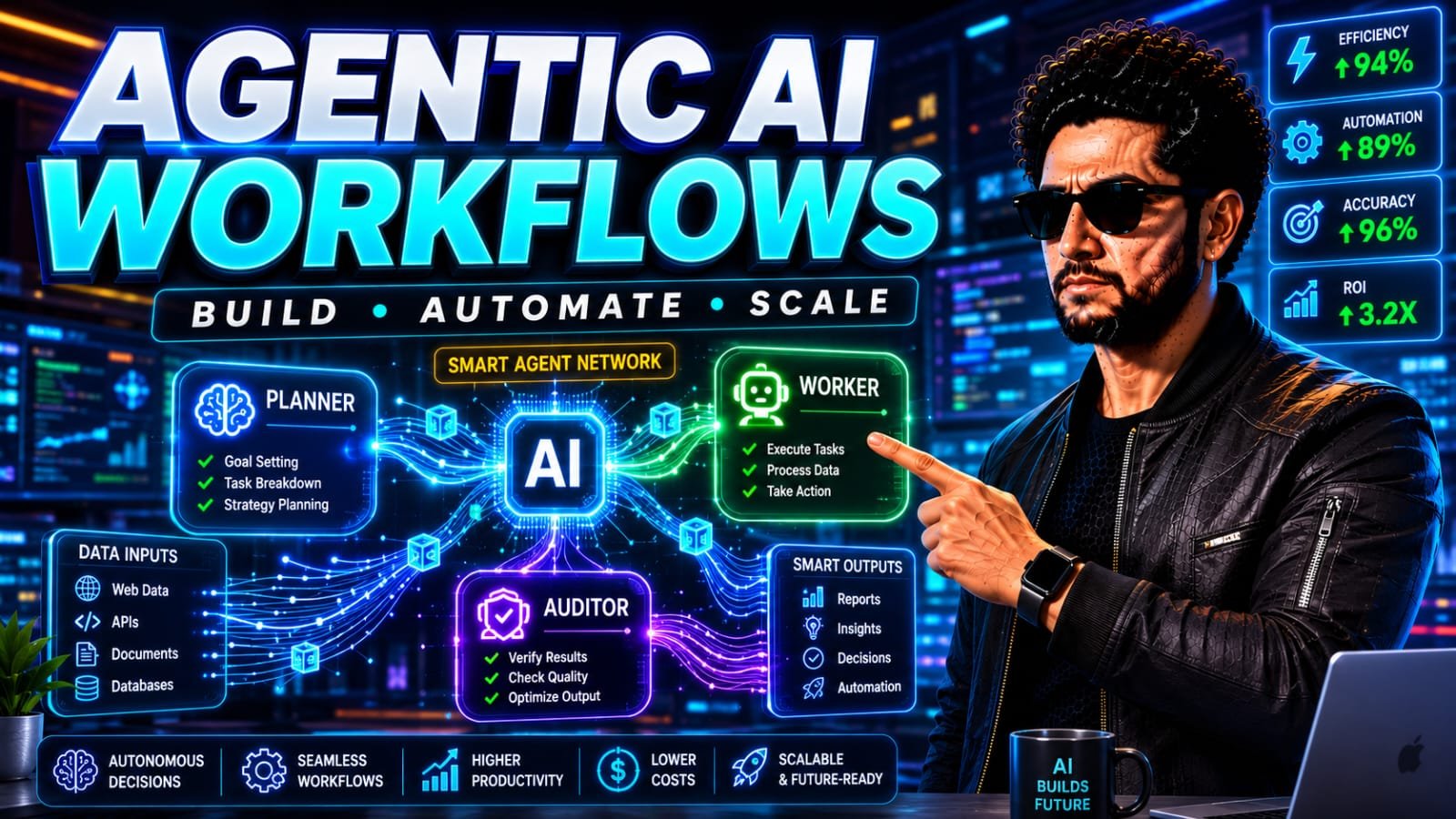
Autonomous Agentic Workflows: Proven 2026 B2B Guide
What are Autonomous Agentic Workflows? Autonomous Agentic Workflows are advanced,…
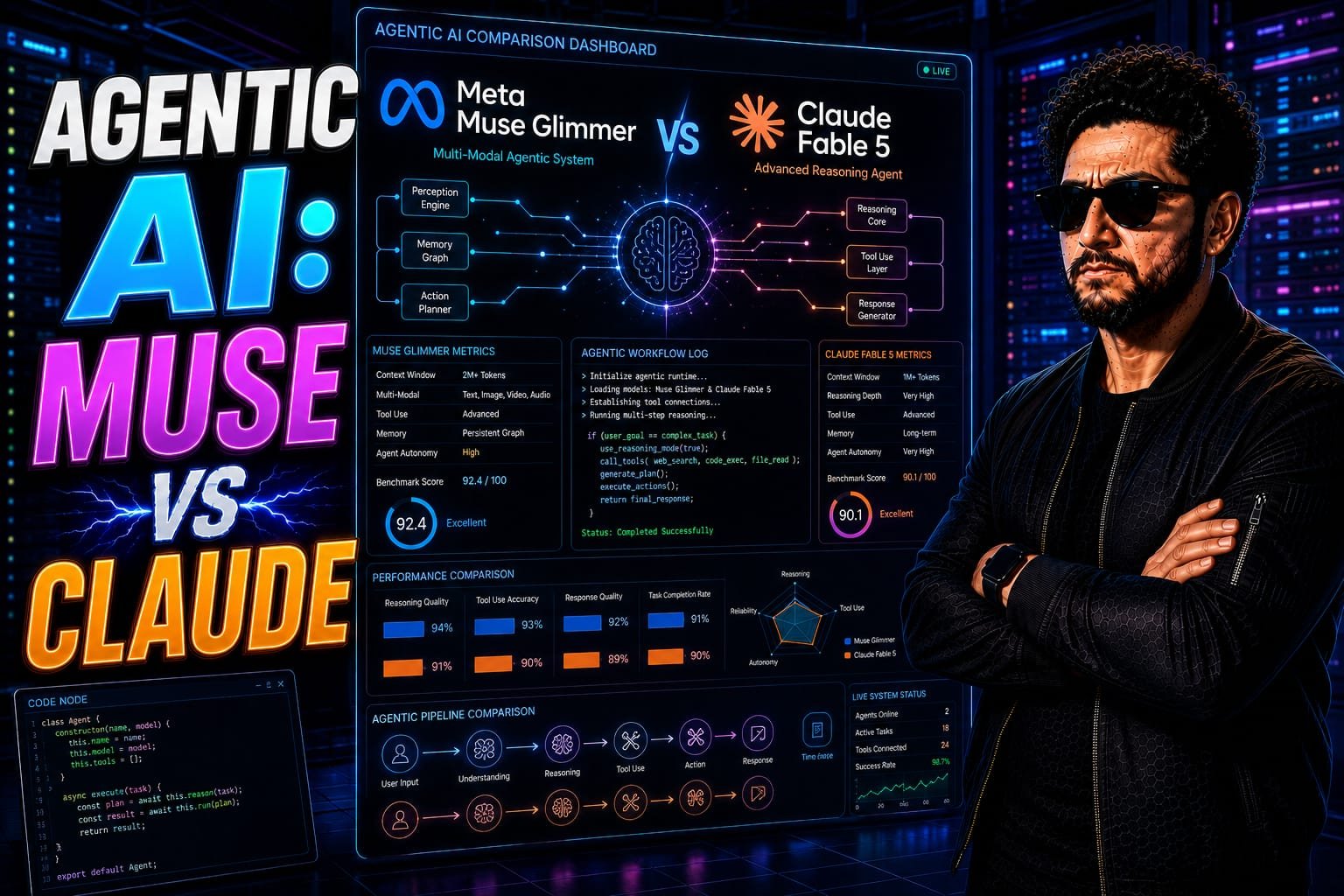
Ultimate Agentic AI Models 2026: Proven Workflow Guide
When evaluating the state of enterprise automation in 2026, it…
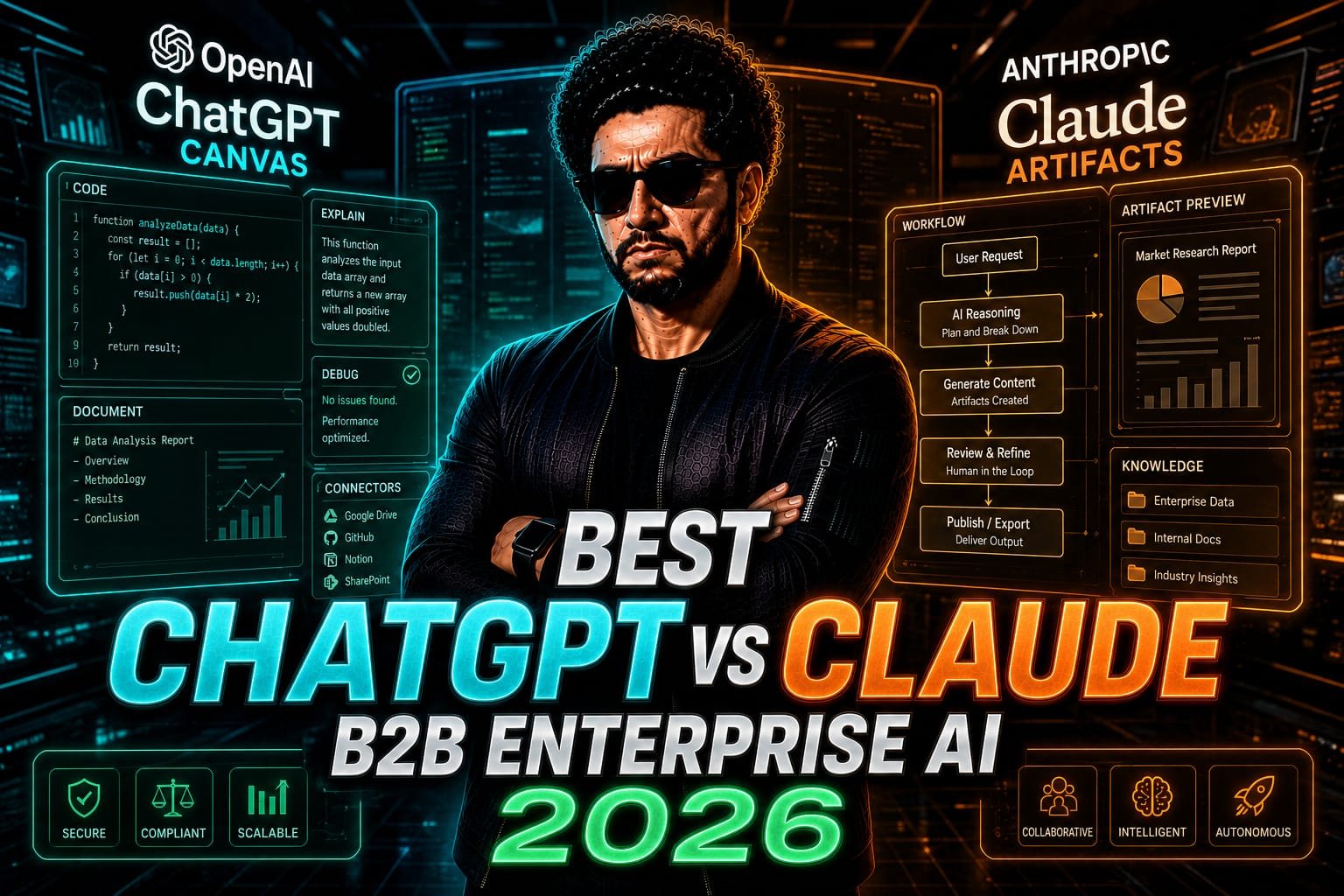
ChatGPT vs Claude B2B: Ultimate Proven 2026 Guide
Which AI Platform Wins for B2B? ChatGPT vs Claude B2B…