Which Hidden AI Tools Should You Use?
The most powerful Hidden AI Tools 2026 are operating beneath the mainstream radar, focusing heavily on B2B infrastructure rather than consumer chatbots. Instead of relying solely on ChatGPT, elite agencies are deploying localized hyper-agents (like Llama-3 tailored for offline server management), Programmatic SEO engines (for generating thousands of compliant localized pages), and Synthetic Data Generators (to test enterprise software without risking client privacy). These secret software stacks allow lean startups to execute the workload of massive corporate departments autonomously.
If your entire artificial intelligence strategy revolves around typing basic prompts into ChatGPT or Gemini, you are only scratching the surface of what is technologically possible. The mainstream media covers consumer-facing chatbots, but the real technological revolution is happening behind closed doors in enterprise server rooms.
The competitive advantage in digital publishing, software engineering, and B2B marketing no longer comes from using AI; it comes from using the right AI. As we approach the next operational quarter, progressive founders are silently deploying specialized, highly technical platforms that automate massive organizational workloads. In this exclusive guide, we will pull back the curtain and reveal the Hidden AI Tools 2026 that elite agencies are using to dominate their industries, and how you can seamlessly integrate them into your technology stack today.
1. My Personal Perspective: The Value of the Underground Tech Stack
Running an authoritative platform like AivoraPulse requires continuously monitoring the absolute bleeding edge of software development. When I audit server pipelines, configure Instant Indexing APIs, or optimize technical patches, I realize that mainstream tools often add unnecessary friction to specialized tasks.
The biggest breakthroughs in my own workflow never came from the tools everyone was talking about on LinkedIn. They came from discovering niche, specialized platforms designed to solve one specific enterprise bottleneck perfectly. When you integrate a hidden programmatic SEO tool or deploy a localized agentic framework, you stop competing on human output. You transition your business into an automated machine. The tools outlined below are the exact secret weapons I evaluate for high-velocity B2B operations.
2. Hyper-Local and Open-Weight Agentic Frameworks
While everyone is fighting over cloud-based enterprise licenses, elite developers are moving their most sensitive operations offline using localized AI.
-
Offline Autonomous Frameworks: Instead of sending proprietary code or financial logs to a cloud server, tools like LM Studio and GPT4All allow you to run powerful open-weight models (like Meta’s Llama-3 or Mistral) completely offline on your own hardware.
-
Zero-Risk Compliance: Utilizing these localized Hidden AI Tools 2026 ensures absolute data privacy. This is a massive advantage when navigating strict regulatory frameworks, such as the MAS AIRG Third-Party AI Compliance standards, because the data never leaves your physical office network.
-
Custom Micro-Agents: Developers are building tiny, specialized AI agents using frameworks like AutoGen that only run in the terminal. One agent exclusively monitors WordPress security patches, while another strictly audits Cloudflare SSL certificates.
3. Programmatic SEO and GEO Engines
Writing one article at a time is no longer enough to dominate global search rankings. The new wave of SEO relies on programmatic generation and Answer Engine optimization.
-
Mass-Scale Content Generators: There are hidden platforms designed exclusively for Programmatic SEO (pSEO). You upload a massive dataset (like a CSV of 5,000 different B2B software products), and the AI autonomously generates highly accurate, perfectly formatted, 1,500-word review pages for every single product overnight.
-
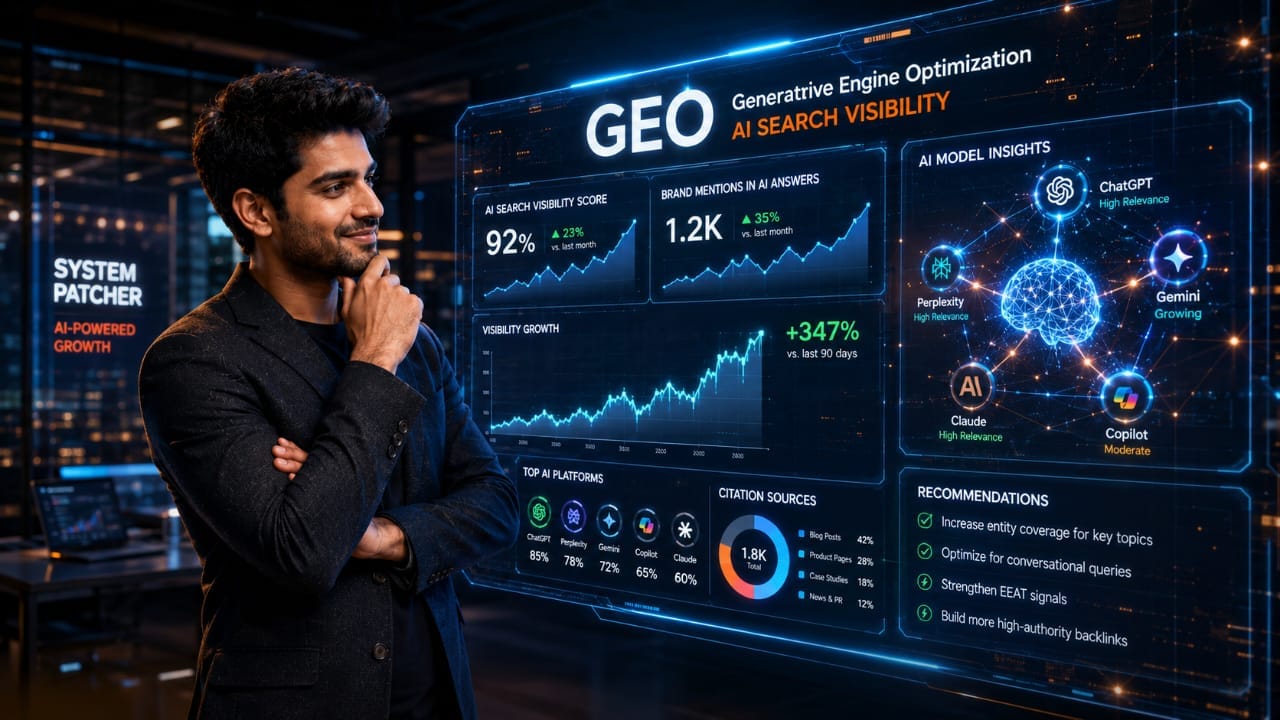
GEO Auditing Tools: As we discussed in our masterclass on AI Marketing Tools 2027, ranking in AI Overviews is critical. The most advanced hidden tools do not track keywords; they simulate thousands of queries across ChatGPT and Perplexity to tell you exactly how to restructure your content so Large Language Models cite your website as a source. For an overview of how these algorithms assess entity relationships, you can review the technical documentation on Google Search Central.
4. Synthetic Data Generation Platforms
One of the biggest bottlenecks in B2B software testing and data science is acquiring secure, privacy-compliant data.
-
Privacy-Safe Testing: If your agency builds custom CRMs or FinTech applications, you cannot test them using real client emails or credit scores. Hidden synthetic data tools use AI to generate millions of rows of “fake” but statistically accurate data.
-
Machine Learning Training: This allows startups to train their own predictive models and test their software architecture without ever violating GDPR or SOC-2 compliance protocols. It is a secret weapon for lean SaaS startups aiming for enterprise-level security.
5. Autonomous Voice Procurement Agents
Voice AI has moved far beyond simple customer service bots. The most aggressive Hidden AI Tools 2026 are now operating in outbound enterprise sales and procurement.
-
Outbound B2B Negotiation: Niche AI platforms can now be programmed with your company’s budget parameters and technical requirements. These voice agents autonomously call third-party vendors, navigate their phone trees, and negotiate software licensing discounts on your behalf.
-
Intelligent Call Routing: For incoming B2B traffic, these agents do not just take messages; they qualify the lead by asking specific technical questions, querying your internal database for a solution, and seamlessly transferring high-ticket prospects to human closers. For advanced developer insights on building these conversational nodes, platforms like Hugging Face offer incredible open-source audio model repositories.
To truly harness these platforms, you must architect them properly. Throwing random tools at a problem creates chaos. Ensure you are linking these secret tools together using the strategies outlined in our Autonomous Agentic Workflows Guide.
Conclusion
The technology landscape is split into two tiers: the public tools that everyone uses to generate average results, and the Hidden AI Tools 2026 that elite organizations deploy to build automated empires. By transitioning your tech stack to include offline agentic frameworks, programmatic SEO engines, and synthetic data generators, you eliminate the operational bottlenecks that cripple your competitors. Do not wait for these platforms to become mainstream. Audit your current manual processes, seek out the specialized tools designed to automate them, and integrate these secret weapons into your enterprise today.
Frequently Asked Questions (FAQs)
Q1. Are these hidden AI tools difficult to integrate without a massive engineering team? Answer: No. While they are highly technical, the 2026 generation of specialized AI software is heavily focused on API accessibility and “no-code” deployment. A solo founder with a basic understanding of webhooks and API keys can easily integrate these platforms.
Q2. Why don’t the major tech publications talk about these specific tools? Answer: Mainstream tech media relies on broad, consumer-friendly content to drive millions of clicks. Highly specialized B2B tools (like synthetic data generators or localized terminal agents) are too complex for the average consumer, keeping them hidden in specialized developer communities.
Q3. Is Programmatic SEO considered spam by search engines? Answer: If executed poorly using basic spun content, yes. However, when elite hidden AI tools are used to process unique, highly valuable datasets into structured, fact-checked pages, it provides massive value to the user and is heavily rewarded by search engine algorithms.
Related Posts

Choose B2B AI Software: Ultimate Proven 2026 Guide
How Do You Select the Right Platform? To effectively choose…

DeerFlow 2.0 Review: Free AI to Bypass Claude
Quick Answer Welcome to this quick DeerFlow 2.0 Review! If…
Top 5 AI Search Visibility Tools in 2026: Ultimate GEO Guide
Quick Answer: What are the best Generative Engine Optimization platforms…