When scaling digital publishing operations, choosing the right AI Auto Blogging Tools in 2026 is critical for agencies, SaaS founders, and niche site builders. The days of manually writing every blog post, sourcing individual featured images, and hand-crafting schema markup are behind us. Today, modern marketing agencies rely on fully automated content pipelines that can research low-competition keyword clusters, scrape live SERP intent, write long-form articles, and publish them directly to WordPress via REST APIs. However, scaling content volume without a clear quality control strategy can quickly trigger Google spam penalties. In this comprehensive B2B guide, we will analyze the top automated content platforms, explore how to build resilient publishing workflows, and show you how to maintain organic rankings in 2026.
1. The Shift to Autonomous Content Engineering
The digital marketing space has transitioned from simple prompt-based AI text generation to full-stack autonomous content engineering. In earlier years, content teams used basic AI writers to produce single drafts that still required hours of manual formatting, internal linking, and meta tag optimization.
In 2026, autonomous workflows handle the entire lifecycle of an article. These advanced systems connect directly to web scrapers and live search engines to ensure that facts, statistics, and product pricing are completely up to date. Once the research phase is complete, the workflow generates SEO-optimized headings, embeds royalty-free or AI-generated media, creates schema markup, and queues the article for publication. This level of automation enables small agency teams to operate with the output capacity of traditional 50-person newsrooms.
2. Evaluating Key Features of Top AI Auto Blogging Tools
Before investing in enterprise content software, agency directors and SEO managers must evaluate the core architecture powering these platforms. A high-quality automated publishing pipeline must offer more than just raw text generation.
Key capabilities to look for include:
-
Live SERP Scraping: The tool must analyze current top-ranking pages on Google to determine real-time search intent, word count targets, and secondary semantic keywords.
-
Programmatic Keyword Clustering: Instead of handling keywords one by one, top platforms group hundreds of related search terms into topical clusters to build domain authority systematically.
-
Native CMS Integration: Seamless API connections to platforms like WordPress, Webflow, and Shopify are essential for scheduling and automated posting.
-
Human-in-the-Loop Safeguards: The platform should allow editorial review checkpoints before articles go live, ensuring brand voice consistency and factual accuracy.
3. Top Platforms Dominating the Agency Market
Several specialized platforms have carved out dominant positions in the agency automation sector by offering robust feature sets and scalable pricing structures.
Cuppa AI & Programmatic Generators
Cuppa AI has gained massive popularity among bulk site builders and programmatic SEO specialists. It allows users to bring their own API keys (OpenAI, Anthropic, or OpenRouter), drastically reducing the cost per article. Cuppa excels at generating structured, long-form content at scale while allowing granular prompt customization for tone and formatting.
Surfer AI & Agility Writer
For agencies focused on high-competition B2B niches where real-time SERP optimization is mandatory, tools like Surfer AI and Agility Writer lead the market. These platforms scrape the current top 10 search results for a given keyword, analyze the exact semantic density required, and output articles pre-tuned for high SEO scores. If you are building a broader stack of automated digital software, you can explore our detailed breakdowns on AivoraPulse’s technology hub.
Custom Automation (n8n & Make Workflows)
Many advanced growth agencies are moving away from off-the-shelf SaaS solutions in favor of custom automation pipelines built on n8n or Make. By chaining together Web Scraping APIs, Claude 3.5/GPT-5 models, and the WordPress REST API, agencies can build proprietary auto-blogging systems tailored strictly to their client’s niche requirements.
4. Avoiding Google Spam Penalties and Maintaining E-E-A-T
Agencies that utilize AI Auto Blogging Tools must balance volume with editorial review to ensure content meets Google’s E-E-A-T (Experience, Expertise, Authoritativeness, and Trustworthiness) quality standards. Google’s core updates continuously target low-value, fully automated sites created solely to manipulate search rankings.
To keep your client or agency sites safe from algorithmic penalties, adhere to official publishing guidelines. Google explicitly states in its Google Search Central helpful content guidelines that automated content is not inherently penalized, provided it is created primarily for human readers rather than search engine manipulation. Adding unique data points, expert quotes, custom product screenshots, and personal commentary ensures that your automated articles deliver genuine value.
5. Cost Analysis and Agency ROI
From an operational perspective, deploying AI Auto Blogging Tools offers incredible financial leverage. Traditional agency content creation—factoring in freelance writers, editors, graphic designers, and SEO specialists—can cost anywhere from $75 to $200 per long-form article.
With automated workflows and custom API configurations, the cost per high-quality article drops to roughly $1.50 to $5.00 in raw token usage and software fees. Even when factoring in 15 minutes of human editing time per post to verify facts and polish the formatting, agencies achieve an operational cost reduction of over 80%. This massive margin expansion allows agencies to offer competitive retainer packages while maintaining exceptional profitability.
Final Thoughts for Growth Teams
Ultimately, integrating AI Auto Blogging Tools into your agency workflow allows you to scale organic reach while maintaining high editorial standards. By combining automated research and drafting pipelines with dedicated human editing, digital publishers can consistently claim top search rankings, drive targeted traffic, and grow revenue predictably in 2026.
Frequently Asked Questions (FAQs)
Q1. Will Google penalize websites that use AI Auto Blogging Tools? Answer: No, Google does not penalize content simply because it was generated by AI. However, Google will penalize content if it is low-quality, inaccurate, or created solely for search engine ranking manipulation. Adding human editing, unique insights, and factual verification ensures your content remains safe.
Q2. How much does it cost to generate automated articles using API workflows? Answer: When connecting your own API keys (such as OpenAI or Anthropic) to auto-blogging platforms, the direct cost typically ranges between $1.50 and $5.00 per 2,000-word article, making it exponentially cheaper than traditional manual content creation.
Q3. Can AI auto-blogging platforms publish directly to WordPress? Answer: Yes. Most modern automated blogging platforms feature native integrations or utilize the WordPress REST API, allowing them to automatically format headings, add featured images, assign categories, and publish or schedule drafts effortlessly.
Related Posts

GitMind AI Review 2026: Brilliant AI Mind Mapping Tool
GitMind AI Review 2026 is the ultimate guide for project…
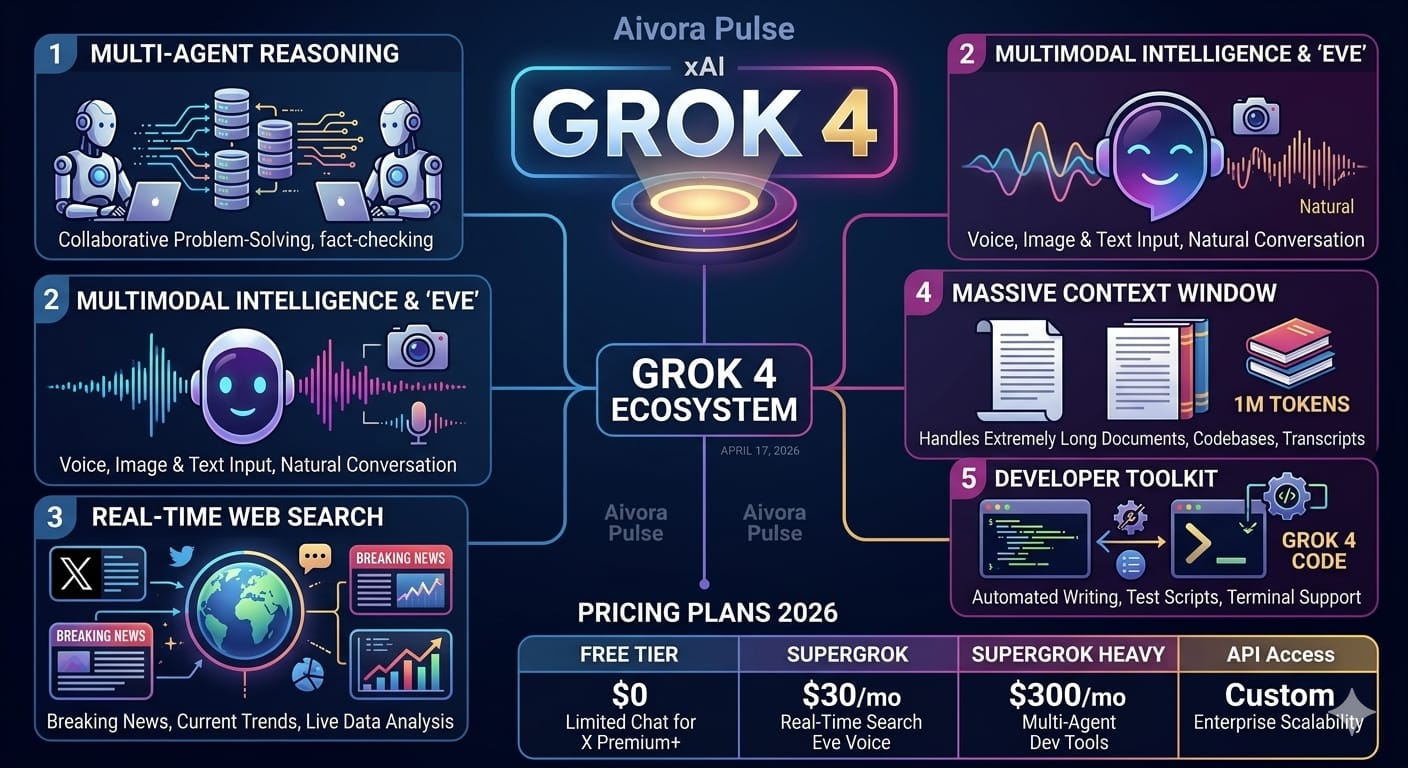
Grok 4 Review 2026: The Powerful Real-Time AI for Pro Users
Grok 4 Review 2026 is the only guide you need…

Ultimate Speechify Review 2026: Best Free Voice AI
The search for the absolute best free AI voice generator…