Generative Engine Optimization is rapidly becoming the most critical skill for B2B marketers in 2026. As the digital landscape evolves, relying solely on traditional search engine rankings is no longer enough to secure visibility. Today, prospective clients and enterprise buyers are bypassing standard search result pages entirely, opting instead for direct, synthesized answers from platforms like ChatGPT, Google’s AI Overviews, and Anthropic’s Claude Fable 5. For website publishers, adapting to this ecosystem is now mandatory.
If your brand is excluded from these AI-generated summaries, you risk losing massive segments of high-intent traffic. To survive and thrive in this new ecosystem, you must adapt your content architecture. In this comprehensive, data-driven technical guide, we will explore the precise mechanisms required to rank within AI outputs and turn machine-generated answers into a scalable traffic source.
1. What is Generative Engine Optimization?
Before diving into advanced tactics, we must define the core concept. Generative Engine Optimization is the strategic practice of optimizing your brand’s digital presence and content structure to appear as a cited source within responses generated by AI-powered search systems.
Unlike traditional Search Engine Optimization (SEO), which focuses heavily on ranking discrete web pages in a linear list, this new discipline focuses on becoming a fundamental part of the AI’s synthesized output. When a user asks an AI model to compare vendors, summarize a category, or recommend a tool, you are no longer competing to be a blue link; you are competing to be the recommended answer. The AI engines predict words based on probabilities, meaning regular sampling and structured content are required to influence their responses.
2. Lead with Clear, Direct Answers
AI systems favor content where the required information is not buried beneath layers of marketing fluff. To execute a robust Generative Engine Optimization strategy, you must rethink your page structure.
The most effective method is using the “inverted pyramid” approach. Start each section of your article by directly answering the target question as concisely as possible—ideally in under 300 words. Once the core definition is provided, you can expand with context, examples, and deep technical details below.
This approach ensures that when an AI crawler scans your page, it can instantly extract clean answer units. Utilizing clear H2s and H3s, short definitions, comparison tables, and bulleted summaries makes your content significantly easier for algorithms to parse, classify, and reuse.
3. Build Crystal Clear Brand Entity Signals
For an AI engine to recommend your product or service, it must first understand exactly what you do. The core principle of Generative Engine Optimization is maintaining absolute consistency across your entire digital footprint.
If your website’s homepage describes your tool as an “automation platform,” but your social media bios call it a “marketing SaaS,” and third-party reviews label it as an “analytics dashboard,” the AI becomes confused. A confused AI will not cite your brand. You must answer fundamental questions consistently across all platforms: What is your brand? Who is it for? What problems do you solve?.
Furthermore, unlinked brand mentions hold incredible weight in 2026. AI systems give substantial algorithmic weight to casual mentions of your brand across the web, even if those mentions do not include a traditional DoFollow hyperlink. Ensuring consistent terminology helps AI algorithms confidently associate your brand with specific use cases.
4. Leverage Statistics, Quotes, and External Validation
When AI engines generate responses, they actively seek authoritative data to back up their claims. Recent studies analyzing 10,000 real-world queries found that web pages containing unique quotes and original statistics had a 30% to 40% higher visibility rate in AI-generated responses compared to pages lacking hard data.
If you want to secure citations in ChatGPT or Claude Fable 5, embed proprietary data into your articles. Conduct industry surveys, publish your agency’s internal metrics, and quote your leadership team. When the AI needs a statistic to support an argument, your clearly formatted data point becomes the most logical piece of information to extract and cite.
5. Influence AI with Listicles and Product Comparisons
AI platforms are frequently used by B2B buyers for vendor evaluation. They will actively ask prompts like, “Compare Tool A vs. Tool B for digital marketing.”
To ensure you control the narrative, you must publish comprehensive, unbiased comparison articles on your own blog and third-party sites. By publishing long-form educational content that answers popular technical questions, you establish the baseline data the AI will use to construct its answer.
Additionally, presence on User-Generated Content (UGC) platforms like Reddit and YouTube strongly influences AI visibility. Encouraging satisfied clients to post genuine reviews on peer-review sites or technical subreddits feeds high-quality, positive sentiment data directly into the AI’s training pipeline.
6. Technical Foundation and Crawlability
Even the best content will fail if the AI crawler cannot read your website. Mastering Generative Engine Optimization requires a flawless technical foundation.
-
Server-Side Rendering: AI crawlers frequently struggle to execute heavy client-side JavaScript. If your content relies on JavaScript to load, it might remain invisible to the AI, completely destroying your chances of being cited.
-
Page Speed and Mobile Experience: AI systems prioritize mobile-friendly content that loads in under 2.5 seconds.
-
Freshness: AI tools are programmed to provide the most current information available. Regularly updating your publication dates, refreshing statistics to reflect the current year, and adding new sections on emerging developments signals to the AI that your content is highly relevant.
7. Integrating with Your Existing Tech Stack
To successfully monitor your progress, you cannot rely solely on standard Google Search Console metrics like clicks and impressions. You must actively track brand sentiment, AI citation coverage, and brand presence.
We highly recommend combining the tactics outlined in this guide with dedicated monitoring software. To review the most effective platforms for tracking your AI share of voice, check out our comprehensive guide on the Ultimate Best GEO Tools in 2026. Utilizing specialized tools will allow you to track real-time AI responses and pivot your strategy instantly.
For further technical reading on how AI search is reshaping digital marketing, you can explore detailed methodologies over at the Semrush GEO Guide.
Conclusion
The transition from traditional SEO to AI-driven summaries is the most significant shift in digital marketing history. Successful Generative Engine Optimization campaigns require a blend of pristine technical architecture, crystal-clear entity signals, and data-rich content formatting. By implementing the inverted pyramid structure, utilizing original statistics, and maintaining consistent brand messaging across the web, your agency can secure a massive competitive advantage and dominate the AI summaries of 2026.
Frequently Asked Questions (FAQs)
Q1. What is the main difference between SEO and Generative Engine Optimization? Answer: SEO focuses on ranking your individual web pages on a search engine results page (SERP). In contrast, GEO focuses on optimizing your content so that it gets cited, summarized, and recommended inside direct AI-generated answers like ChatGPT or Google’s AI Overviews.
Q2. Does standard SEO still matter in 2026? Answer: Absolutely. AI assistants pull their information from the same web ecosystem where your SEO content lives. High-quality backlinks, fast load speeds, and clean code are foundational requirements for both traditional SEO and AI visibility.
Q3. How can I format my content to be easily read by AI? Answer: Use clear H2 and H3 tags, provide direct answers in the first paragraph of a section (under 300 words), use bullet points, and include schema markup. This structured data makes it effortless for AI engines to extract and cite your information.
Q4. Do unlinked brand mentions actually help? Answer: Yes. Advanced AI models assign significant algorithmic weight to unlinked brand mentions across the internet. Even casual discussions of your brand on platforms like Reddit or Quora can heavily influence how often you appear in AI summaries.
Related Posts
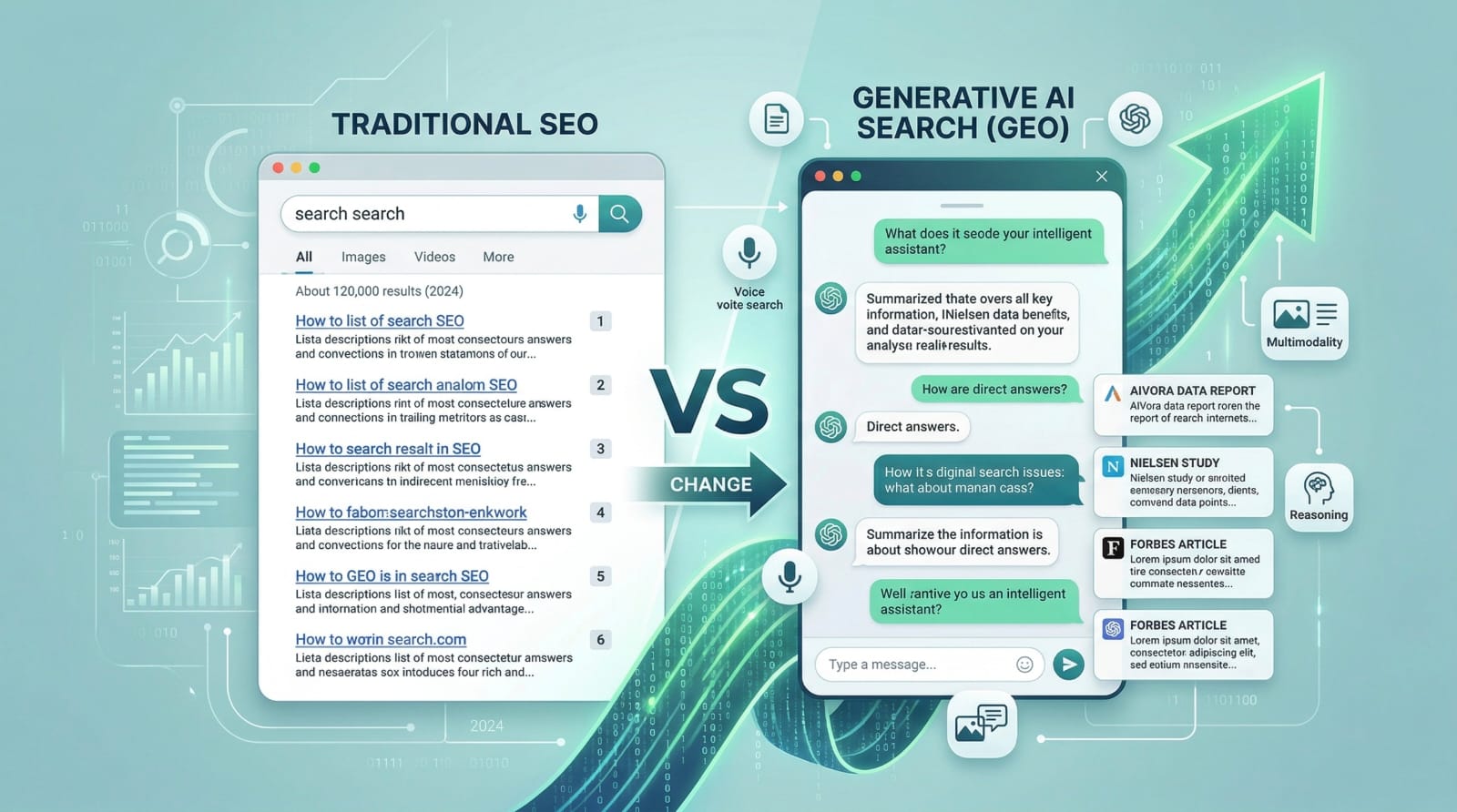
7 Best Generative Engine Optimization Secrets for 2026
The Death of Traditional SEO? In April 2026, the digital…
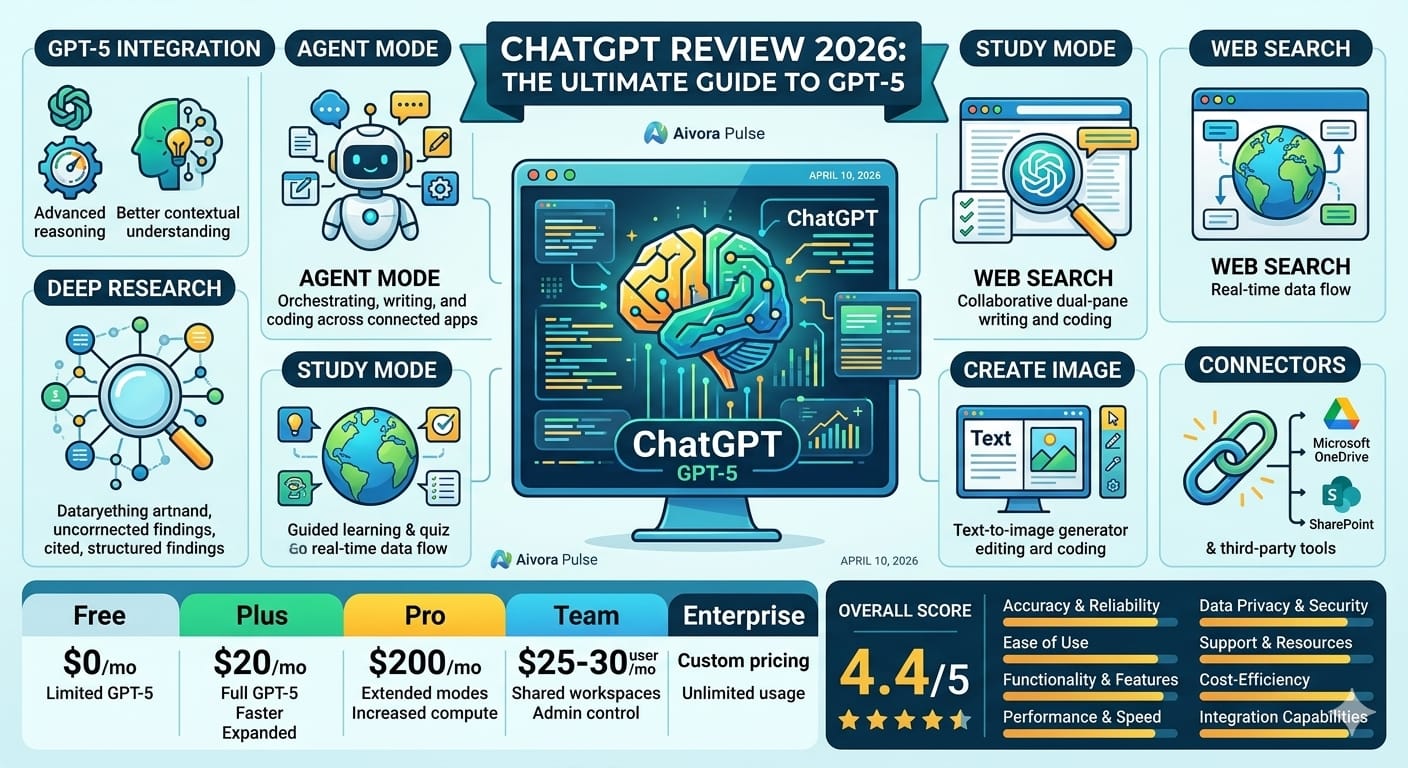
ChatGPT Review 2026: The Best AI for Brilliant Productivity
ChatGPT Review 2026 is the most essential read for anyone…
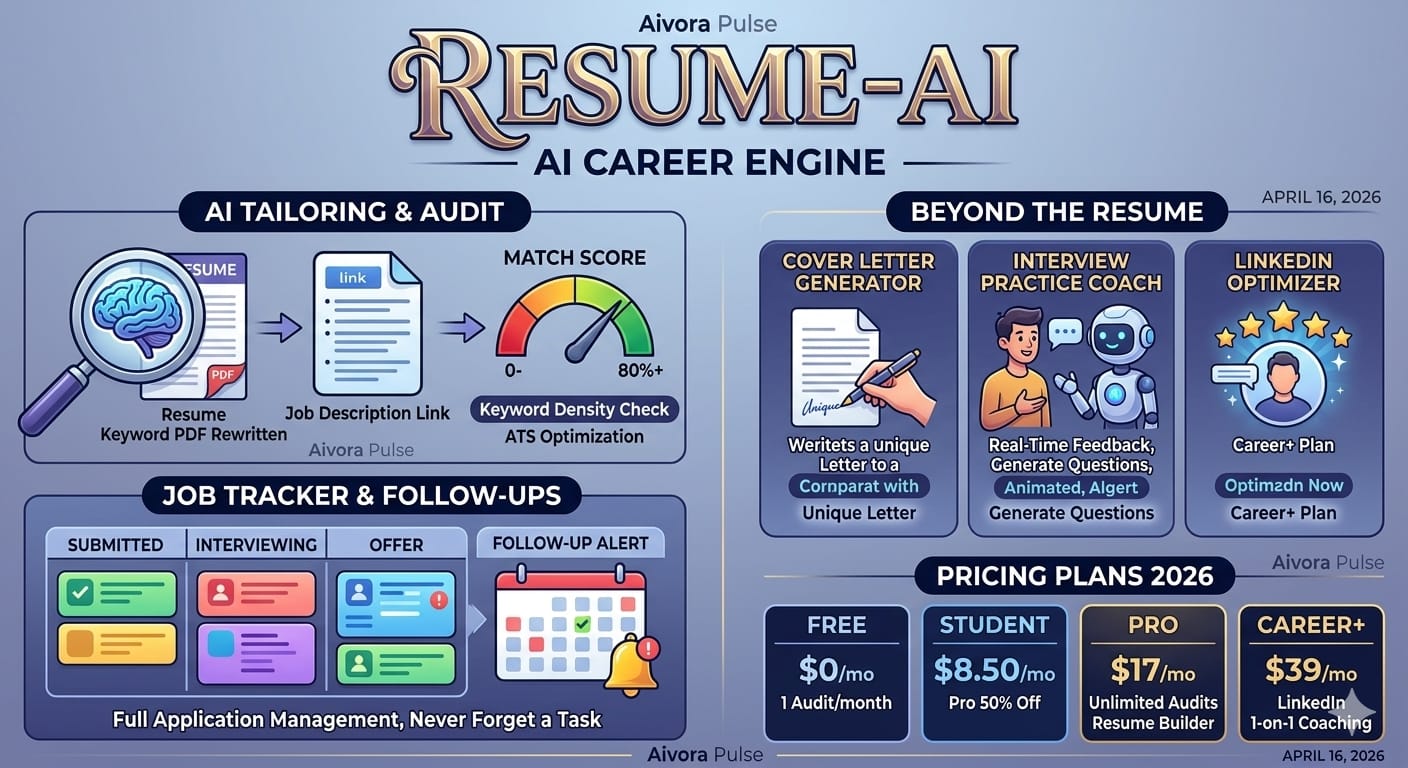
Resume-AI Review 2026: The Ultimate Tool to Get Hired Fast
Resume-AI Review 2026 is the most essential guide for anyone…